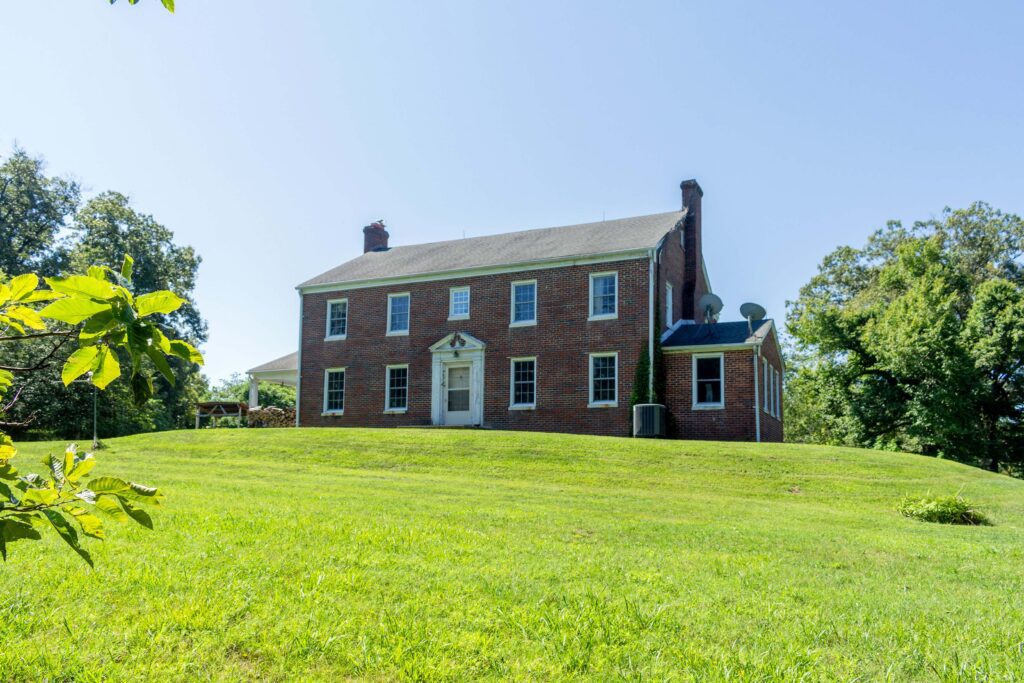
Home Buying Tips: What to Look for Beyond the Pretty Kitchen
Home Buying Tips: What to Look for Beyond the Pretty Kitchen
Buying a home is exciting. You walk through the front door, see the beautiful kitchen, imagine your furniture in the living room, and suddenly you can picture yourself living there. But some of the most important home buying tips have little to do with countertops, paint colors, or staging.
The right home needs to work for your lifestyle, your budget, your future plans, and the location you have chosen.
Whether you’re looking for a home in Spotsylvania, Louisa, Orange, Hanover, Caroline, Culpeper, Goochland, Stafford, Fredericksburg, Lake Anna, or another Central Virginia community, taking a step back and looking at the entire property can help you make a more informed decision.
Home Buying Tips: Start With the Location
One of the most important things to remember when buying a home is that you can change many things about a house—but you cannot change its location.
Before falling in love with the house itself, consider:
- How far is it from work or school?
- Is it convenient to shopping, restaurants, medical care, and other services?
- How long will your commute be?
- Do you like the surrounding neighborhood or community?
- Are there future development plans nearby?
- Does the location fit your lifestyle?
A home can have the perfect kitchen, but if the location doesn’t work for you, that beautiful kitchen may not matter as much six months after closing.
Home Buying Tips: Does the Floor Plan Work for Your Life?
Square footage is important, but how that space is arranged can be just as important.
Think about how you actually live.
Do you need a first-floor bedroom? Do you work from home? Do you entertain frequently? Do you need space for children, guests, hobbies, or storage?
A home with fewer square feet and a well-designed layout may work better for you than a larger home with a floor plan that doesn’t fit your lifestyle.
Try to imagine your daily routine—not just how the rooms look while they’re staged.
Home Buying Tips: Look Beyond the Cosmetics
Fresh paint, new flooring, beautiful countertops, and attractive furniture can make a home look fantastic.
And there’s nothing wrong with loving those things!
But cosmetic improvements shouldn’t distract you from looking at the condition of the property itself.
Pay attention to things such as:
- Age and condition of the roof
- Heating and cooling systems
- Windows and doors
- Plumbing
- Electrical systems
- Foundation
- Drainage
- Exterior maintenance
- Signs of water intrusion
A home doesn’t have to be perfect. Every property will have some maintenance or improvements to consider.
The important thing is understanding what you’re buying.
Take a Good Look at the Property
Don’t forget that you’re buying more than a house.
The lot and surrounding property are also part of the purchase.
Consider:
- How is the property accessed?
- Is there adequate parking?
- How is the drainage?
- Is the yard suitable for your needs?
- Is there enough privacy?
- Are there mature trees that require maintenance?
- Are there slopes or other characteristics that could affect your plans?
- Where are the property boundaries?
If you’re considering a rural or larger property, these questions can become even more important.
Think About Your Future Plans
A home that works perfectly today may not be the best choice if your needs are likely to change.
Are you planning to have children? Will you need a home office? Are you approaching retirement? Do you want room for animals? Are you hoping to add a garage, workshop, pool, or other improvements?
You don’t need to predict the future perfectly.
But thinking about where you expect to be several years from now can help you determine whether a property has the flexibility you need.
Home Buying Tips: Understand the Ongoing Costs
The purchase price is only one part of the cost of owning a home.
When evaluating a property, consider the ongoing expenses that come with it.
These may include:
- Mortgage payment
- Real estate taxes
- Homeowners insurance
- HOA or association fees
- Utilities
- Routine maintenance
- Landscaping
- Repairs
- Improvements
A home that fits your purchase budget may not necessarily fit comfortably within your overall monthly budget.
It’s important to look at the complete financial picture.
Pay Attention to Restrictions and HOA Rules
If a property is located in an HOA or another community with recorded restrictions, make sure you understand the rules before purchasing.
Restrictions can address things such as:
- Exterior improvements
- Fencing
- Outbuildings
- Parking
- Landscaping
- Rentals
- Pets or animals
- Property modifications
If you have a specific plan for the property, verify that the plan is permitted before relying on it.
This can be especially important when you’re looking for acreage or a property where you hope to have horses, chickens, goats, recreational equipment, or additional structures.
Ask Questions About the Property
Don’t be afraid to ask questions.
Your Realtor can help identify information that may need to be investigated and can help guide you through the process of gathering property information.
Depending on the property, questions may involve:
- Property history
- Improvements
- Permits
- Utilities
- Septic systems
- Wells
- Easements
- Restrictions
- Zoning
- Floodplain information
- Property boundaries
Not every question will apply to every home, but asking questions early can help you make better-informed decisions.
Don’t Skip the Inspection
A home inspection can provide valuable information about the condition of a property.
An inspection doesn’t mean the home needs to be perfect. No home is.
Instead, the goal is to better understand the condition of the property and identify items that may need attention.
Depending on the property, buyers may also want to consider additional inspections or evaluations for specific concerns.
Your Realtor can help you understand the inspection process and the importance of meeting the deadlines outlined in your contract.
Remember That Emotions Are Part of Buying a Home
Buying a home is both a financial decision and an emotional one.
It’s completely normal to walk into a property and think:
“This is it!”
But before making a major financial commitment, take a breath.
Go back to your list of must-haves.
Think about your budget.
Think about the location.
Think about the condition of the property.
Think about your long-term plans.
Sometimes the house that looks the most exciting at first isn’t necessarily the one that makes the most sense for you.
And sometimes the home you almost overlook turns out to be exactly what you needed.
Home Buying Tips: What Are Your Must-Haves?
Before you begin looking at homes, consider creating three lists:
Must-Haves
These are the things you truly need in a home.
Examples might include location, number of bedrooms, accessibility, or a particular type of property.
Would Be Nice
These are features you would love to have but could live without.
Maybe it’s a fireplace, a large kitchen island, a screened porch, or a bigger garage.
Dream Features
These are the things that would make the property extra special—but shouldn’t necessarily determine whether you purchase it.
Separating your needs from your wants can help you stay focused when emotions enter the picture.
Central Virginia Offers Many Choices
One of the great things about Central Virginia is the variety of properties available.
Depending on where you’re looking, you may find established neighborhoods, rural homes, farms, wooded acreage, waterfront properties, water-access communities, townhomes, historic homes, and everything in between.
That’s why there isn’t a single checklist that works perfectly for every buyer.
A waterfront property may require different questions than a suburban home.
A farm may require different due diligence than a townhome.
A wooded acreage property may raise different questions than a home in an established neighborhood.
Your goals and the property itself should determine what you investigate.
The Right Home Is More Than a Pretty House
A beautiful kitchen can make you fall in love with a home.
But the right property should also fit your lifestyle, budget, location preferences, future plans, and comfort level.
Take your time.
Ask questions.
Look beyond the cosmetics.
And don’t be afraid to slow down long enough to determine whether the property truly makes sense for you.
The goal isn’t simply to find a house you love.
It’s to find a home that works for the life you want to live.
Have a Central Virginia Real Estate Question?
We’re building a growing library of information to help buyers and sellers make informed real estate decisions throughout Central Virginia.
Have a question about buying a home, selling a property, Lake Anna, land, farms, acreage, rural living, or another real estate topic?
Send us your question!
Your question may become the topic of a future article.
About Us
Helping buyers and sellers throughout Central Virginia with residential homes, land, farms, estates, investment properties, and Lake Anna waterfront and water-access properties.